


You waited your whole pregnancy for the remarkable moments that live in the fourth trimester. And man, some of them are truly worthy of their own greeting cards. From hearing your baby’s soft coos while they sleep to marveling at their voracious appetites, the newborn experience is magical.
But beyond those glimmering hours spent laying with a sleeping newborn on your chest, your sleeping newborn, the first two weeks postpartum can be incredibly challenging. Here’s a candid look at what to expect postpartum in the first two weeks physically, emotionally, and mentally so you aren’t caught off guard.
Is sleep even a thing during postpartum?

Expect to be tired, plain and simple. Your baby is adjusting to life outside the womb and to them, the clock has no meaning. You may find yourself eating “dinner” at 3 am and taking an extended nap at 1 pm. Just go with it. Is it disorienting? Yes, but it ends.
This phase is temporary, like many other stages during your little one’s first year. For now, that annoyingly common suggestion to “sleep when the baby sleeps” holds true. Get in those ZZZs when you can and don’t hold yourself to any sort of schedule. Remember, your body desperately needs rest, too.
Pro tip: If you’re uncomfortable falling asleep without keeping eyes on your baby, invest in (or add to your shower registry) a monitoring product like the Owelet. It tracks oxygen levels and pulse rate, and alerts you to any drastic changes.
‘Gentle Recovery’ is not just a suggestion
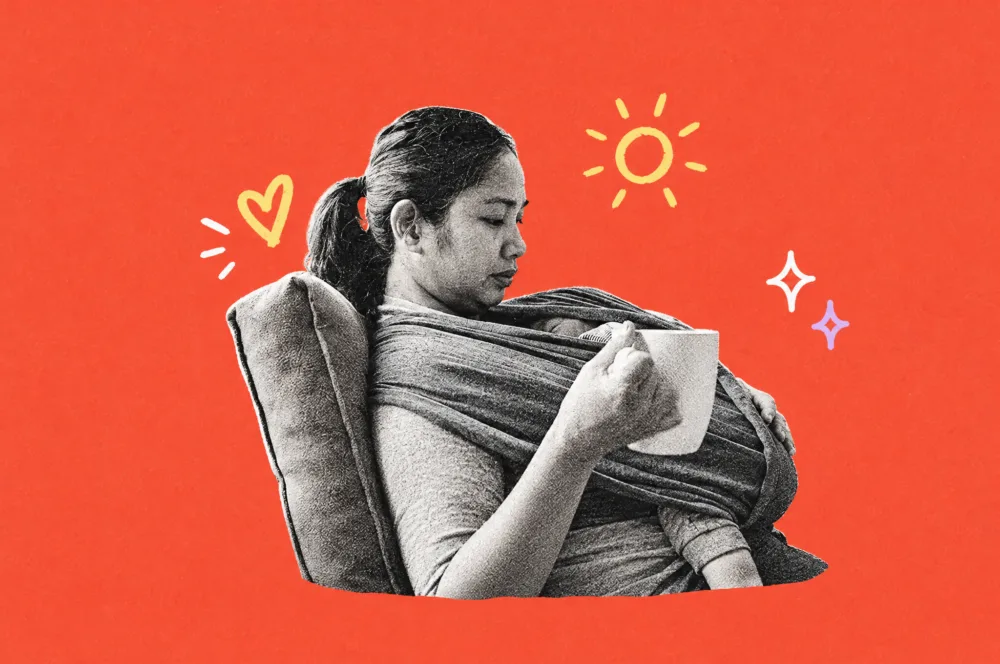
You just finished the Herculean task of carrying and birthing a child. Your body is tired, sore, and achy. It probably hurts to use the bathroom, and you may be forced into unusual positions to do so. No matter how you rearrange yourself, you can’t sit comfortably anywhere. If you gave birth via C-section, sitting up may be an exhaustive effort.
It takes six to eight weeks for the uterus to shrink from the size of a grapefruit, about 20 times its initial volume, to its pre-pregnancy size. Even more, when the placenta detaches during birth, it leaves behind an internal wound the size of a dinner plate. Crazy, right? It’s bizarre this information isn’t shared more readily with pregnant people. If such wounds were visible, society’s unrealistic bounce-back culture might not be quite so unrealistic.
As the body recovers from birth, you’ll continue to bleed for roughly the first six weeks, even if you had a C-section. During this time, many women use a peri bottle to gently cleanse the vaginal area with water after using the bathroom. It can help prevent infections by washing away bacteria and blood.
If you’re concerned at any point with the amount of blood, or “lochia,” err on the side of caution and call your doctor. Many people wear pads of varying sizes or adult diapers during this time, depending on your preference. No one is judging.
You might also sweat (a lot), especially at night. The excess sweating is caused by changing hormone levels and is also your body’s way of shedding extra fluid. Sweating should be reduced by six weeks, but in the meantime, have extra sheets handy in case.
Riding the mood carousel while postpartum

Becoming a parent is one of the most overwhelming, exhilarating, and transformative experiences in life. It’s okay for your emotions to reflect that, especially during the immediate aftermath of birth. You may feel elated, melancholy, confused, and anxious, all in the span of an hour, coupled with brain fog from lack of sleep. It’s all normal.
Mood changes at this time are influenced by hormone levels. Just as night sweats are caused by sharp drops in estrogen and progesterone, so are mood swings. We also can’t discount the incredible turning point of becoming responsible for another person’s life and livelihood. It feels like a lot because it is a whole lot.
Again, if you sense your moods are any cause for concern, contact a doctor immediately. If you find yourself having difficulty caring for your baby, or are experiencing harmful thoughts, there are a plethora of resources available to help. Office on Women’s Health is a government agency that offers support and a hotline for moms who are struggling. You’re never alone.
Be honest when it comes to visitors
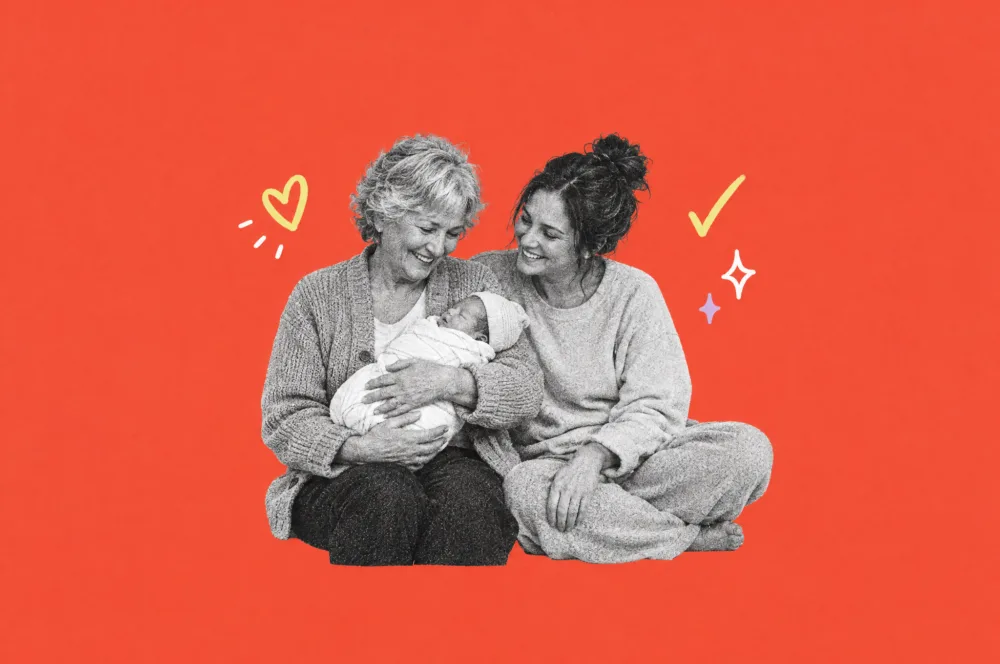
Newborns are adorable; their scent is intoxicating and holding tiny humans makes other parents reminisce about when their children made their grand entrances. Friends and family will want to visit you, with some bearing gifts. Along with the heavy task of acclimating to parenthood, setting limits on visitors is one of the first major boundary-related challenges you’ll face as a new parent.
Guests may come with great intentions. They might bring food, ask how you’re doing, and take the baby off your hands for an hour or two. However, some parents prefer limiting guests to immediate family for the first few weeks or months, while others feel too depleted to accommodate outside visitors at all.
Both of these scenarios are normal. Assess how you’re feeling, decide what works for you and what doesn’t, and stick to your guns. This is not the time to please others. You won’t regret saying “no.” Aunt Mary and Uncle John will have to wait.
Feeding your baby is a full-time job
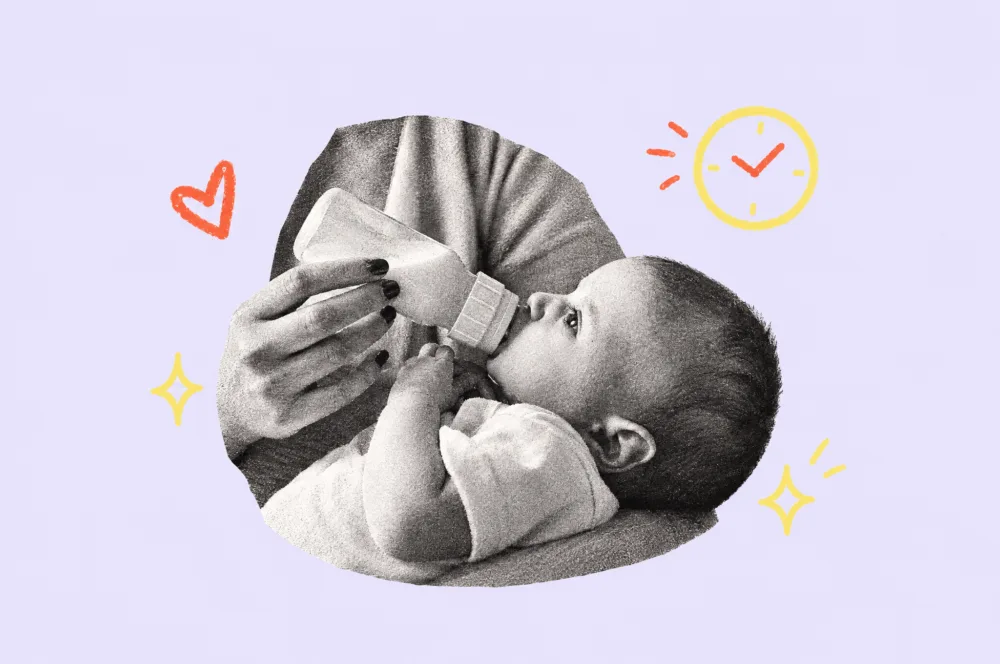
This goes for babies who are breast-fed, bottle-fed, and fed using a hybrid of both methods. Babies in utero are accustomed to having a constant supply of calories. Birth physically separates your baby from you, their food source, and it’s an adjustment to be made. Newborns require sustenance every two to three hours, on average. This means you’ll revolve your days and nights around feeding them, first and foremost.
It might feel like all you’re doing is feeding your baby, especially if you’re breastfeeding. It’s almost true. The feeding frenzy tapers off after about six weeks, but it begins fast and furious. Do yourself a favor by purchasing or adding to your registry something that makes the process easier: bottle warmers, bottle sterilizers, breast pumps, breastfeeding pillows, etc. Whatever works.
Hang in there: You’ll get it
If you feel confused about what you’ve gotten yourself into, it’s okay. We’re all confused. No matter our kids’ ages, we’re all learning as we go. You can make postpartum easier on yourself by nixing the unrealistic standards and making decisions based on what you need versus other people’s expectations. Postpartum is a judgement-free zone, and that goes for self-judgement, most importantly.
And remember, we’re in this together. If you aren’t already, be a part of the Parenthood Together community by subscribing to our weekly newsletter for news, community events, and an invite to our private Facebook group.