

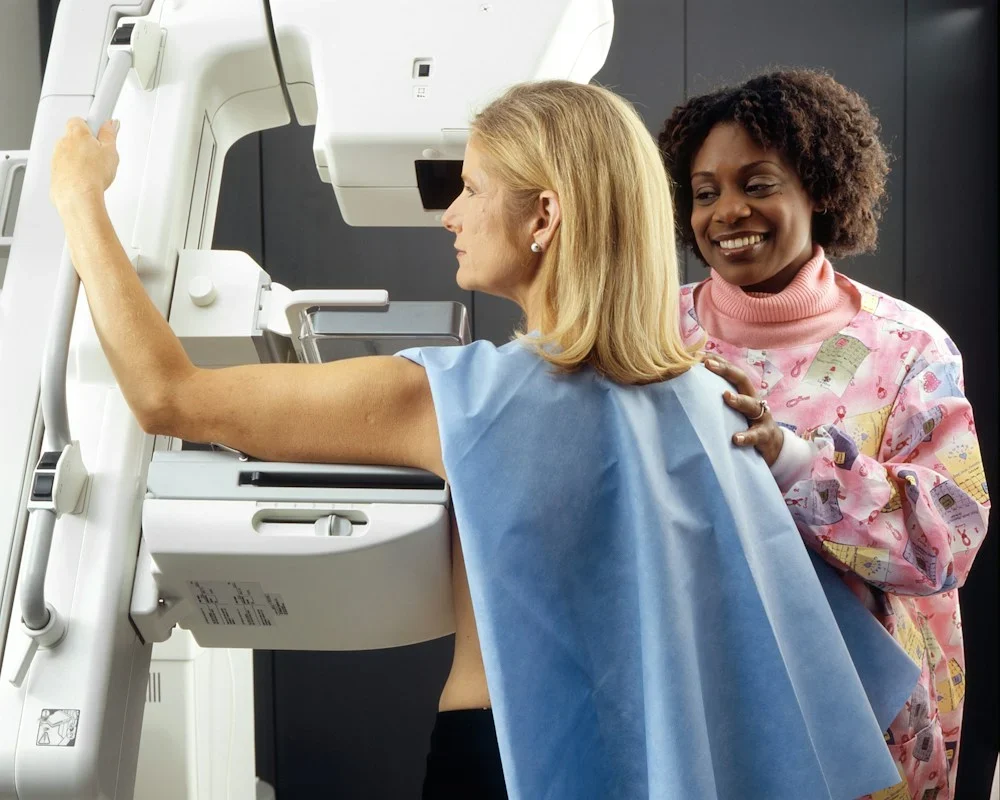
With everything you have on your to-do list, scheduling a mammogram can easily fall by the wayside. Fear about costs, results, or discomfort can make a mammogram even easier to put off. These concerns deserve to be addressed, but keeping up with breast cancer screening is very important. A short, uncomfortable exam can be a life-changing investment in your health.
The type and frequency of your screening depends on your age and risk factor for breast cancer. The American Cancer Society recommends that women ages 40-54 get a screening annually. However, if you’re at higher risk, you should get a breast MRI as well as a mammogram starting at age 30. Those over 55 can get a mammogram every other year.
Talk with your healthcare provider about your risk level and a schedule that fits you. Here are seven reasons you should schedule that appointment as part of your preventive care.
1. Mammograms can detect cancer before you even feel a lump
Feeling healthy and having normal breasts does not necessarily mean changes aren’t happening inside your body. Mammograms can detect breast changes that may be cancer before any physical symptoms occur. According to the American Cancer Society, finding breast cancer while it is small and has not spread makes treatment more likely to be successful.
Early detection may also decrease the likelihood of aggressive treatments such as chemotherapy or surgery to remove the entire breast. Being familiar with your breasts matters, but checking them yourself does not replace medical screening.
2. A previous normal mammogram does not replace the following one
A normal result is always great news, but it describes only what was seen at that screening. Breast tissue can change, and cancer can develop later. The University of Texas MD Anderson Cancer Center states that people with a normal history of mammograms should continue regular screening.
A mammogram should be an ongoing health check, rather than something you complete one time. Before leaving your appointment, ask when your next screening should happen. Keeping a consistent schedule helps keep appointments on track.
3. You can develop breast cancer with no family history
If no one in your family has had breast cancer, then you may assume that you are at a lower risk. However, family history is only one part of breast cancer risks. Ubie Health emphasizes that 85% of breast cancer patients have no family history of the disease.
Having no affected relatives does not make your risk zero. You should share your family medical history with your healthcare provider, but do not use the absence of breast cancer in your relatives as a reason to skip preventive screening.
4. Discomfort is usually brief, and there are ways to ease it
Mammograms are performed by compressing the breast to get clear images, which can be uncomfortable or painful. You do not have to dismiss that concern with your healthcare provider.
Essentia Health explains that each compression is typically about 10 to 15 seconds. Tell the radiologist about any previous pain or anxiety so they can help you through the exam. Dr. Johnathan Valesano states, “You can also try to schedule around your period, when your breasts may be more sensitive. Try not to schedule the week before or during your period. Over-the-counter pain medications can also help.” Your comfort matters and deserves to be prioritized.
5. Mammograms use a minimal amount of radiation
Radiation exposure is a reasonable issue to be worried about, but mammograms use a small dose to create images of breast tissue. The CDC states that healthcare providers should recommend mammograms when the expected benefits outweigh the potential risks.
Screening is not completely risk-free, and the timing for scheduled mammograms matters. However, radiation concerns alone should not lead you to put off recommended cancer screening. Ask your healthcare provider about the potential risks and benefits in the context of your age, history, and individualized healthcare plan.
6. Being called back after a completed mammogram does not automatically mean cancer was detected
Fear of bad news can make rescheduling an appointment difficult. Understanding what happens after screening may help. A callback appointment after screening means that the healthcare professionals need more information, not that you necessarily have a cancer diagnosis.
Essentia Health reports that fewer than 10% of individuals called back for testing are diagnosed with cancer. Sometimes images need to be repeated for a closer examination. If you receive a callback, ask the team to explain what they are investigating about your previous appointment.
7. Help may be available if cost is a barrier
Financial concerns are also valid, especially within the American healthcare system. Ask your insurer and imaging center about potential coverage. The CDC’s National Breast and Cervical Cancer Early Detection Program may be able to help you access screening if you are low-income and/or have inadequate insurance.
There are eligibility criteria, so ask a local program or healthcare provider about your options. You can also ask about appointments and follow-ups.
Taking care of yourself should be a top priority. If you are due for a screening, contact your provider to take the necessary steps to get that appointment. A little proactive care today can go a long way toward supporting your health for years to come
