


It’s the final weeks of your pregnancy, and you’re not-so-patiently waiting for your first child to arrive.
You meticulously check your pregnancy tracking app to predict the potential start of labor. You consider whether you’ll give birth two weeks early, and alternate between hoping your baby does so only to alleviate discomfort and wanting your baby to sit tight until the due date. (Persisting through swollen ankles, heartburn, and insomnia is no small feat.) You eat prunes, drink red raspberry tea, and walk regularly to encourage a safe exit.
Birth is on your mind constantly, and you can’t stop scrolling through Reddit threads about delivery stories. You’re eagerly seeking some semblance of what to expect.
Sound familiar?
We’re surrounded by so much uncertainty at the end of pregnancy, especially as first-time parents. Fortunately, it’s possible to offset some of the unpredictability by prepping a well-planned hospital bag for go-time. Here are 11 items to add to your hospital bag checklist.
1. Baby carrier and car seat
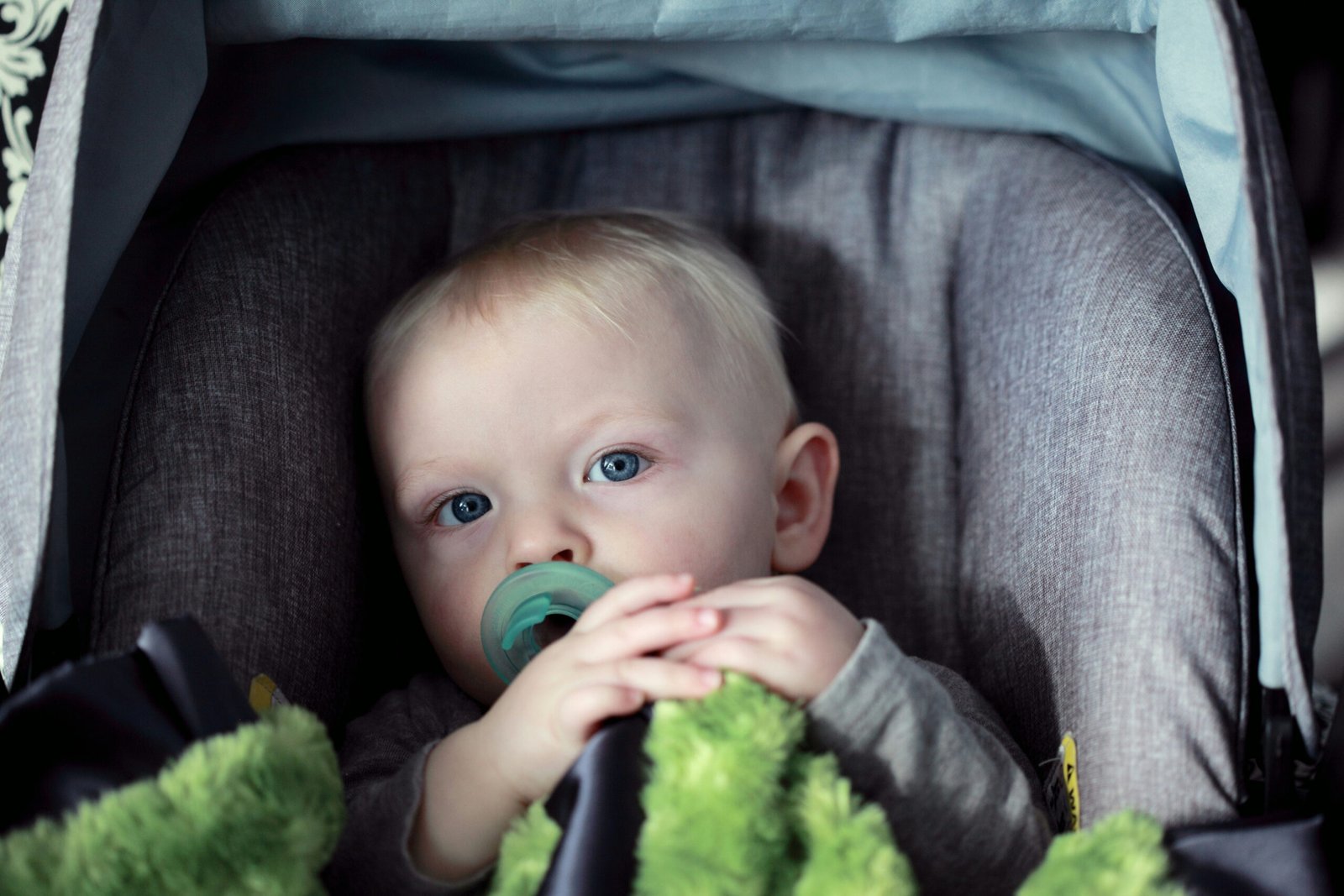
Does it count as being part of your hospital bag if it doesn’t fit inside the actual bag? These items land in first place because you can’t bring your baby home without them. All 50 states require hospital staff to confirm the presence of a car seat and corresponding carrier before discharge. Some even check that it’s properly installed. No car seat, no checkout, unless you’re walking. (Not recommended.)
A good rule of thumb is to install the car seat a month before your due date just in case your little one does make an early arrival. The Graco Extend2Fit Convertible Car Seat will take you from the newborn stage until your child is 65 lbs.
2. Pack of adult diapers

Yes, like Depend, the disposable underwear once endorsed by Lisa Rinna of “The Real Housewives of Beverly Hills.” Immediate postpartum brings on moderate bleeding and soreness, especially if you require stitches. You can expect to bleed vaginally for up to six weeks, even if you have a C-section. As you can imagine, it’s typically heaviest after birth.
Hospitals will supply you with airplane-sized maxi pads and mesh panties to hold them in place. This does the job, but some women find it uncomfortable because the pad shifts with movement, while diapers tend to stay put. It’s all a matter of preference, but if you’re uncertain, bring diapers in case. You may thank yourself later.
3. Birthing comb
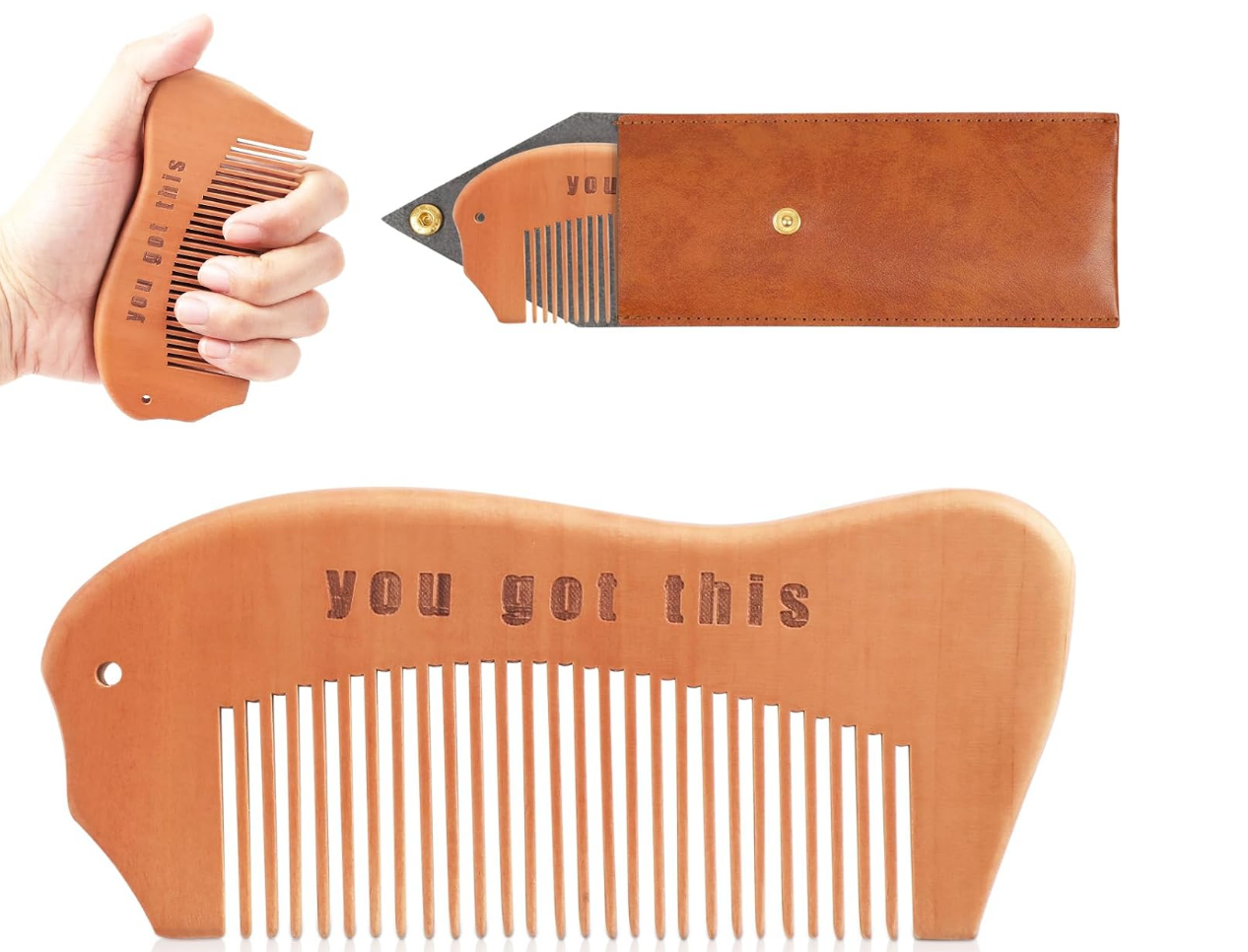
A labor comb is a small, lightweight, handheld tool used to provide relief from the intensity of contractions. When you squeeze the comb, its teeth activate nerve pathways in the upper palm, distracting the brain from the pains of labor. It’s not a sure-fire way to alleviate all pain, but it can certainly help, and it’s worth a try. Many combs have positive affirmations etched on them like “I am confident and strong” and “I was made to do this.” After the big day, keep it as a remembrance.
4. Belly binder
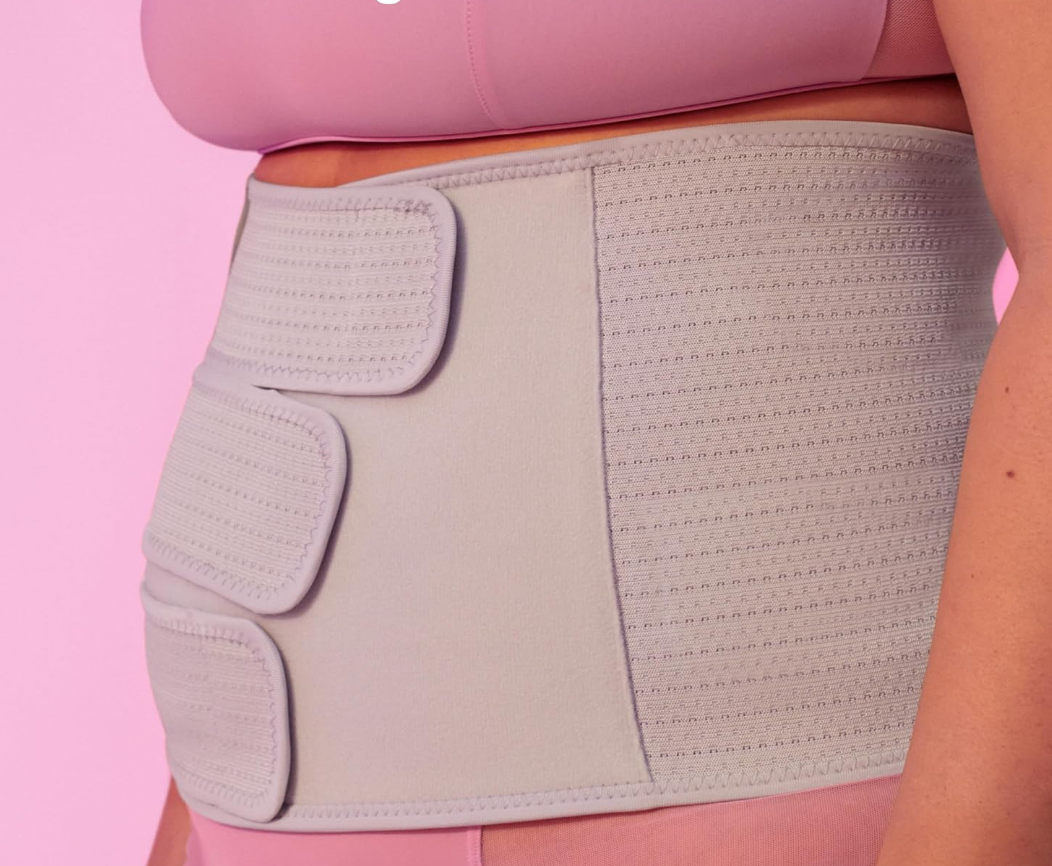
You’ll immediately notice the softness of your belly after birth. Some women describe the sensation as “empty.” Don’t worry, it’s supposed to feel loose. The uterus takes up to six weeks to retract to its normal size, which, in some women, leaves behind a small bulge that may resemble early pregnancy. Belly bands, like the Frida Mom Postpartum Abdominal Support Binder, are designed to aid recovery.
Belly bands provide compression to the midsection, which can offer stability to a core that otherwise feels weak and stretched. They can also help to reduce swelling and support posture. For C-section mamas, bands can provide extra coverage around the incision area. It’s best to check with your doctor before using a belly band, but if you bring it to the hospital, on-staff doctors and nurses can answer any questions you may have.
5. Outfits for baby

The hospital will supply your baby with clothes, baby blankets, and caps, with some even providing on-site photographers to take those angelic newborn pictures we constantly see on social media. The photos can be pricey, but you’ll want to take advantage of the service if you’re able to — or do a session with your own camera.
Pack two or three outfits, so you have options, with one doubling as a “going home outfit.” Bring accessories like bows or hats if you’d like, too. If your baby’s due date is in winter, a thick blanket for the car ride home will keep them warm.
6. Extra-long phone charger
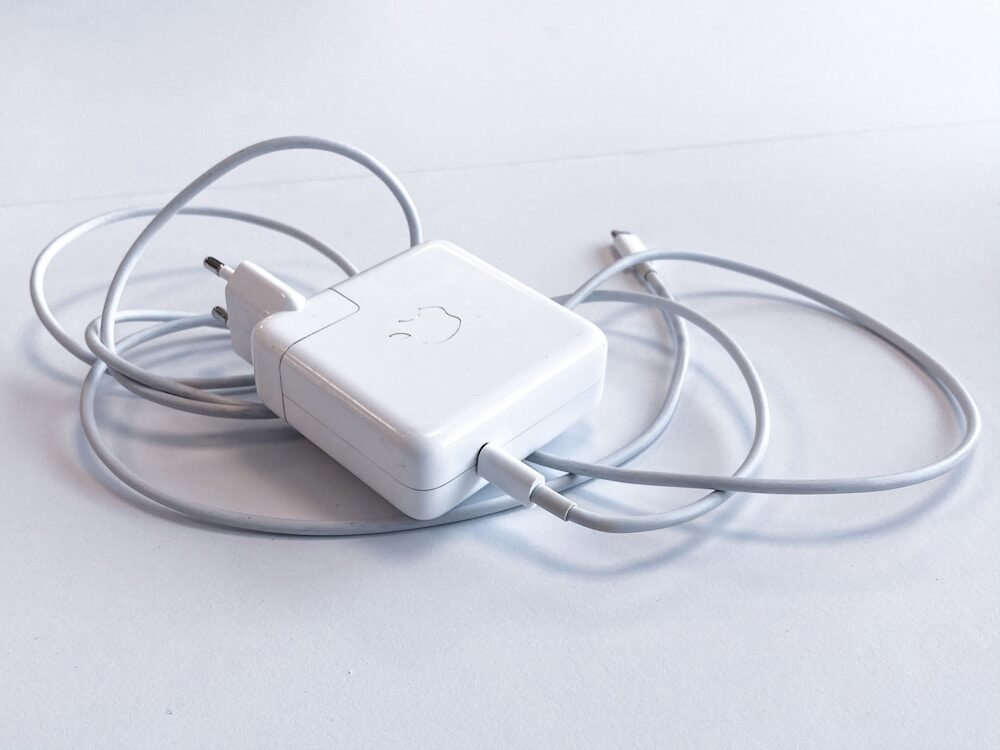
Plan not to have an accessible outlet near the hospital bed, because oftentimes there isn’t. If you’re someone whose phone is a comfort, or you plan on speaking with loved ones throughout labor, you’ll appreciate having an extra-long phone charger. Those having C-sections will have to stay an extra day or two, and you won’t want to get up to replenish your battery. Save yourself an extra step and scout your delivery room for the nearest outlet and keep the charger plugged in for easy access.
7. Comfortable going home outfit
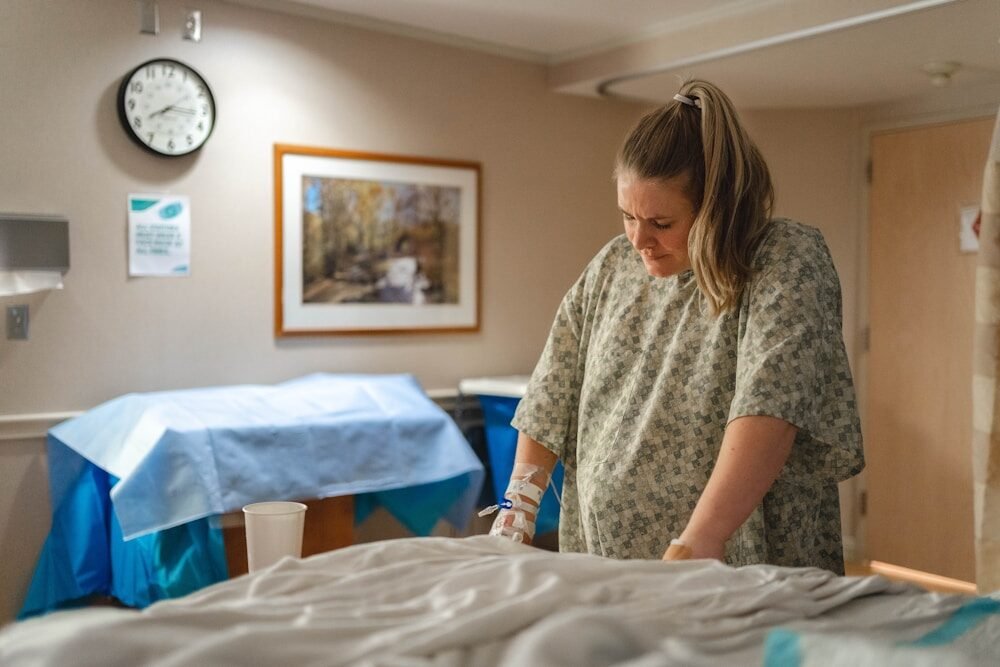
Emphasis on the “comfort.” Don’t pack pre-pregnancy anything, especially jeans. Your body is in the early stages of recovery, and you need to allow it the space to heal, literally. Think baggy two pieces with cozy boots or sneakers in the winter, and loose-fitting dresses in the summer. Be sure to pack underwear that’s a size or two larger to fit a bulky pad. Your socks should also be roomy, as your feet and ankles may be swollen.
8. Keep-busy items
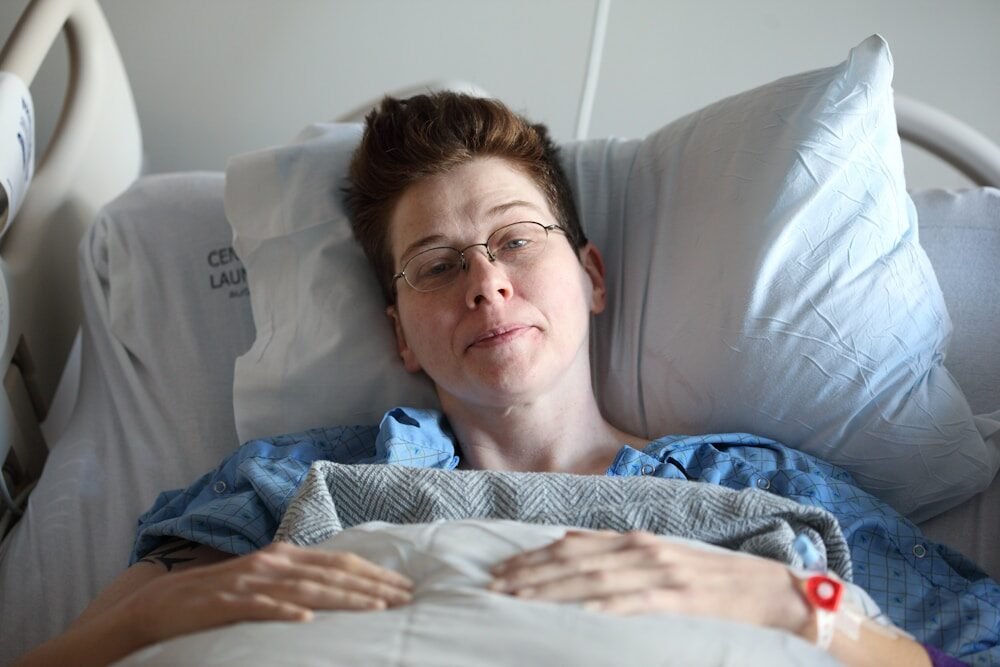
There’s a major misconception that labor is rushed and chaotic. Contrarily, the first labor tends to be the longest. You may be waiting for hours and even overnight until the baby’s arrival. The hospital TV gets incredibly stale after a few shows, and you’ll want some distractions in between labor pains.
If you’re a reader, pack a book. Those who enjoy doodling can bring colored pencils and a coloring book. If movies and shows are your thing, bring a laptop or tablet. If you have a support person staying with you in the hospital, encourage them to bring their own devices to occupy their time. It beats watching the minutes tick by on the clock.
9. Calming apparatuses
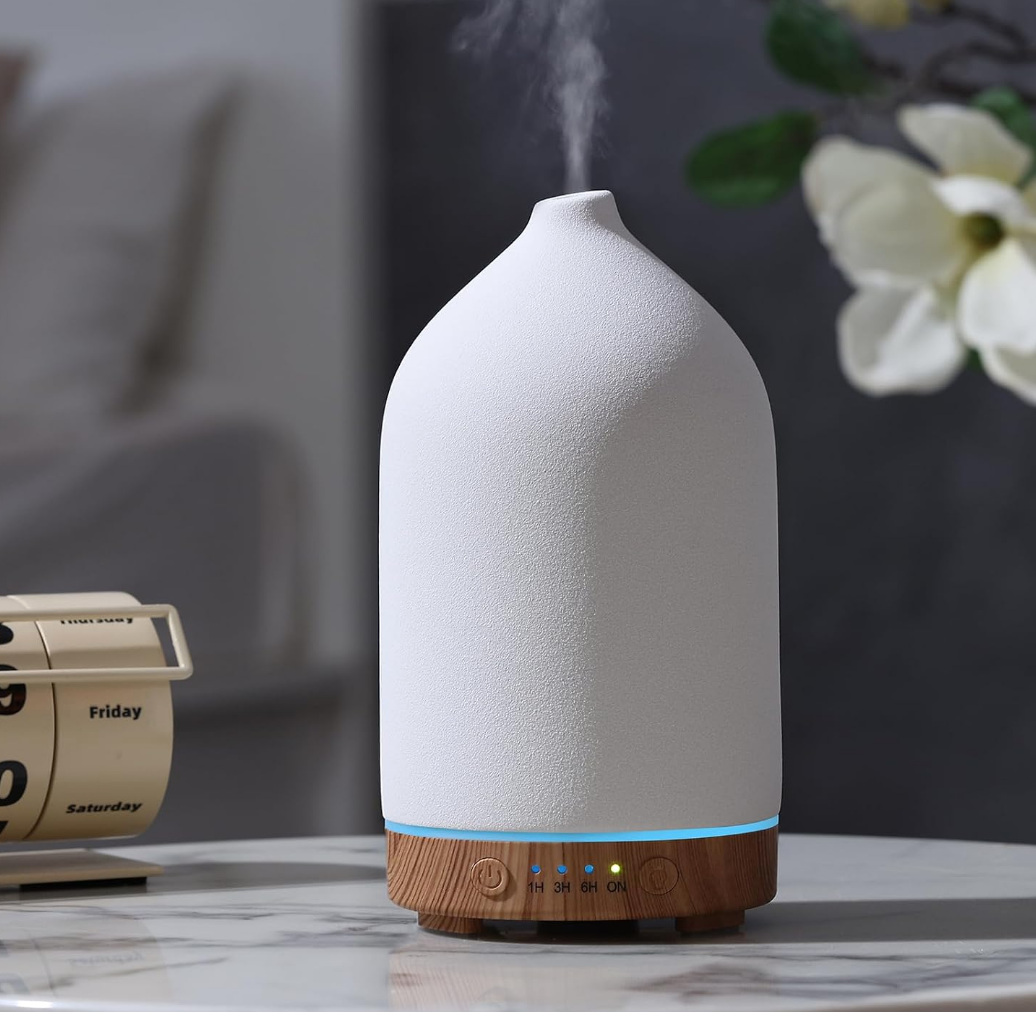
Cue essential oils with a diffuser, rolling massagers, a handheld fan, battery-operated candles, or earbuds. Whatever relaxation methods you use regularly, or think may help you relax, should be packed in your hospital bag stat. Bring comfort items like a soft blanket, childhood stuffy, or fuzzy slippers. You want to make yourself as snug as possible.
10. Eye mask

The fluorescent hospital lighting can become overwhelming, especially if you’re in labor. Bringing an eye mask can help relax you during the process and make it easier to sleep afterwards. Wearing an eye mask during labor and contractions may allow some women to concentrate better on core details, like visualization and breathing. Again, whatever you think might work for you, do it.
11. Breast pump and baby bottles
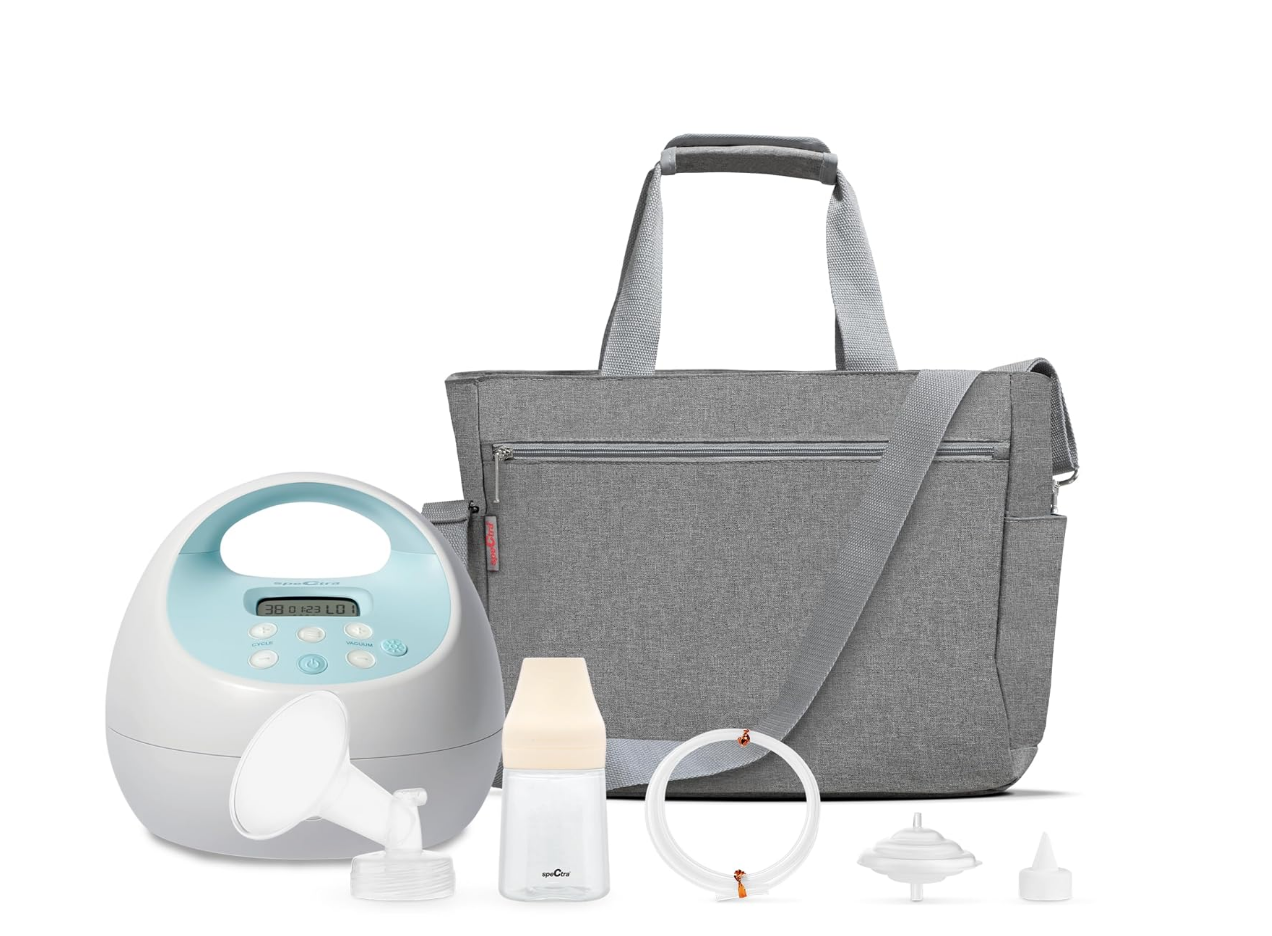
One of the many challenges of being a first-time mom is breastfeeding. Your milk may not come in quickly, or your baby might have trouble latching on. Many hospitals encourage breastfeeding over formula, and whatever your preference is, your breasts will become painfully engorged with milk if they’re not expressed.
This is where breast pumps come in handy, with Spectra offering a ready-made kit, as you can alleviate some of the pressure while providing your baby with a bottle of liquid gold. Pumping can also stimulate more milk production, so it’s a win-win for yourself and your newborn.
Plan ahead for a smoother transition
You’re about to experience one of the most moving moments of your life, in a good way. Don’t second-guess yourself when it comes to bringing comfort items in your hospital bag. You deserve all the luxuries of home and more in the moment (within reason). Plus, you never know what you’ll end up needing the most. It’s better to be over-prepared than needing something essential at the last minute, so give yourself some time and use our list as a guide to welcome your sweet baby into the world.
We’re in this together.

