

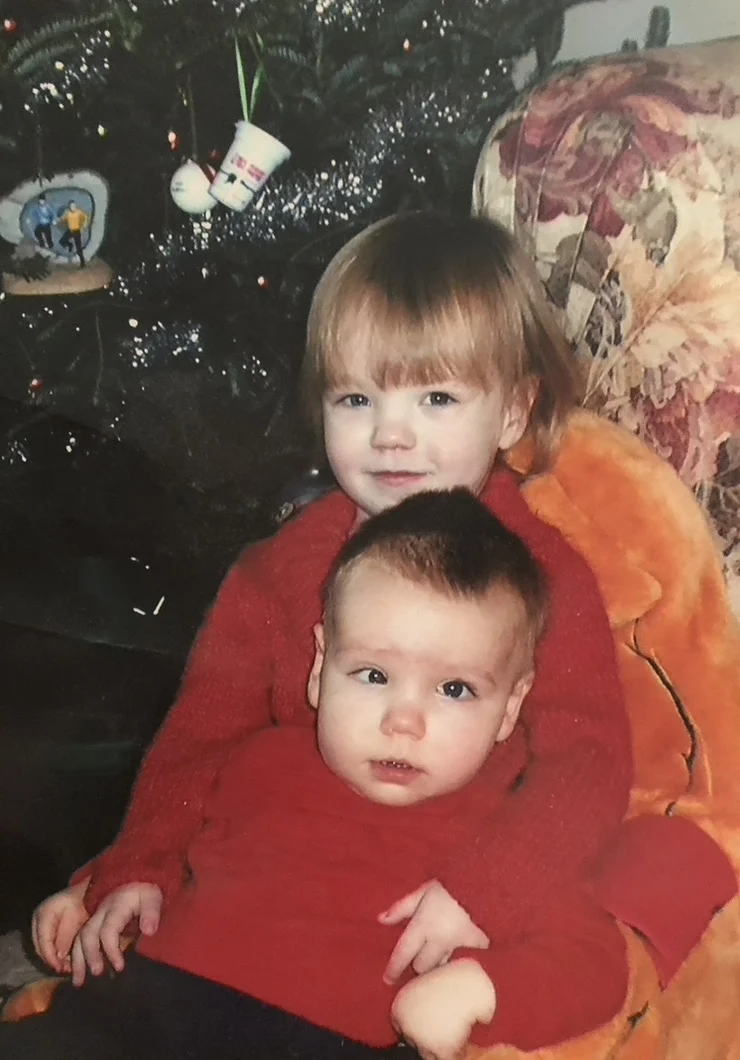
Children who grow up alongside a child with profound disabilities have a unique experience. The term often used to describe these children is the “glass child.” The idea is that parents may sometimes look “through” their neurotypical or “healthy” child(ren) because their disabled child’s needs take up most of their attention. Not because parents don’t love their other children, of course, but because the child who needs the most support will inevitably take up the most time and resources.
I can speak from personal experience because my younger brother was diagnosed with cerebral palsy, epilepsy, and has autism traits. Cerebral palsy is an overarching term for a group of permanent movement and neurological disorders caused by injury to the brain before, during, or after birth.
The condition is permanent, but does not worsen. My brother was born seven weeks prematurely and spent about eight days in the Neonatal Intensive Care Unit (NICU) as an infant. Today, he is nonverbal and uses a wheelchair as his mobility device. Since we are very close in age (18 months apart), I do not remember a time when he wasn’t a part of my life. We grew up alongside each other.
Siblings of those with disabilities often become exceptionally good at ensuring their own needs are met. They learn to be independent early on. They learn not to interrupt their parents with relatively small, inconsequential problems. They learn that bigger issues are being dealt with at home, and that asking for some homework help can probably wait.
These are just a few examples, and every special-needs sibling’s experience is different. Having a disabled sibling is not innately a negative experience, not even in the slightest! There is extraordinary love, joy, protection, and togetherness between neurotypical and neurodivergent siblings. I love him the way he is.
But still, there are also aspects of the relationship that glass children don’t always say out loud. Here are five things the siblings of children with profound disabilities want you to know.
1. We love our siblings, but our relationship is often very different from that of two neurotypical siblings
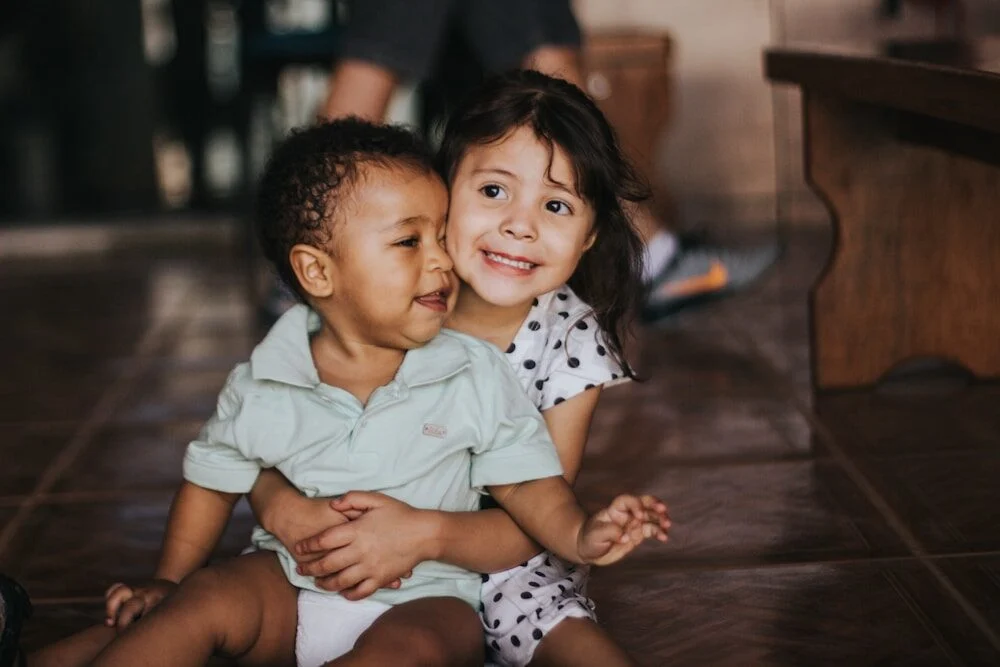
We love our siblings! But sometimes individuals who are not living our experience day to day assume that our relationship is like any other sibling dynamic. That is not always the case.
When a sibling has significant physical, psychological, developmental, or intellectual disabilities, interactions can be very different. There may not be the same common interests, conversations, arguments, activities together, or memories that people often associate with their brother(s) or sister(s). However, that doesn’t mean we don’t see them as siblings.
For instance, when my brother and I were young children, people often assumed that we never fought in the way siblings do because he could not speak. That was definitely not the case. I have distinct memories of riding in the back of the car with him next to me, and the second I turned my back, he would pull my hair to get me to scream. Being like any big sister, I would fight back at him and tell him to knock it off. The angrier I got, the more he kept doing it. I’m sure many siblings can relate to that experience.
Sometimes, though, a sibling can be a caretaker, too. There is a huge difference between spending quality time with a sibling versus feeling responsible for them. While I was not expected to be a day-to-day caregiver, there were times I would step in to help provide respite. Small tasks such as lifting him out of his wheelchair or feeding him his lunch made a huge difference in my mother’s long day.
We may help our parents with the child’s activities of daily living (ADLs). We may learn to communicate with our siblings in unconventional ways. We may feel a strong desire to step in when our parents need an extra helping hand.
But deep down, many of us siblings just want to … be a sibling. Not a parent. Not a nurse. Not a caregiver. Just their sibling.
As we grow older, this becomes even more difficult to distinguish. We want to be able to love our siblings like everyone else, without feeling like our lives will be dedicated to them in the future. After all, our parents will not live forever.
2. We often grow up faster than our peers
Growing up with a sibling who has profound disabilities often introduces a life early on that other children may not face until much later.
We might experience hospitals and hours spent sitting in waiting rooms. We may learn about specialized therapists, medications, caregiving, disability advocacy, and so forth, before we’ve even attended school for the first time.
We may become comfortable talking with adults. “You’re so mature for your age!” is what I would hear all the time.
I grew up almost entirely around adults, so when I was around other children my age, I would often wonder why they couldn’t sympathize with what I was talking about.
I remember one day we were having a lesson on the brain in a 6th-grade biology class, and the teacher briefly asked if anyone had heard of cerebral palsy. Let’s just say I taught everyone more about the condition than the teacher probably ever could have.
We may also learn many ways to entertain ourselves while our parents are busy with other things. We often become ridiculously independent because we understand that our parents have a lot on their plates.
While being so “grown-up” at a young age can be considered a compliment, sometimes we ask ourselves, “Why did I have to mature so quickly?”
Being independent is a strong characteristic, for sure. But sometimes what we want to hear from our loved ones is, “You don’t have to handle everything on your own.”
3. We’re probably thinking about our future, even if we never mention it
There are questions that siblings of those with disabilities may start to wonder…
“What happens when our parents are no longer here? Who will care for my sibling?”
“Will I be expected to become their caregiver for the rest of my life?”
“What happens if I want a family of my own? Will I involve my potential partner?”
“Can I have a career? What if I move away?”
I’ve thought about pretty much every single one of these questions at one point or another. My brother is the one person I will know the longest. Longer than my parents.
And these questions don’t pop up because we don’t want our siblings in our lives. In many cases, it’s actually the opposite. We love and care for them so much that we worry about what will happen to them in the future.
A sibling may still want their independence but also deeply love their brother or sister. They might dream of having their own family while wondering what the responsibilities for their sibling will entail.
Even so, we may not bring up these questions because we’re afraid that asking them might imply we don’t care or don’t want to be involved.
Parents should have age-appropriate conversations with neurotypical siblings about long-term plans. This can help replace uncertainty with at least some reassurance. It also allows siblings to picture a future that includes both their disabled sibling and any personal goals.
4. There can be a strong desire to be ‘perfect’
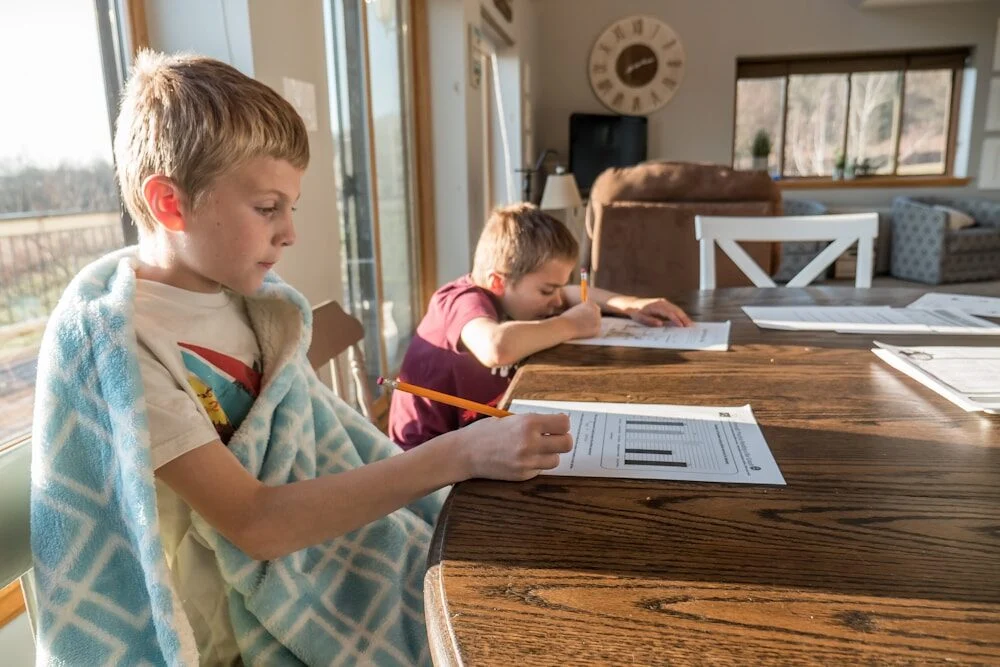
One of the most unnoticed parts of being a glass child is the pressure to be the “untroublesome” kid in the family. You do not want to cause any unnecessary anxiety. You do not want to add any stress to your parents’ load. You want good grades in school. You want to behave. And of course, you want your parents to be proud of you.
And sometimes, you can believe that being highly successful is a way you can “give back” to your parents. You may have to feel like you need to overachieve to compensate for what is “lost.”
Growing up, I was a competitive gymnast; I did dance and cheerleading; I played the violin; and I also wrote for the school newspaper. I always tried to perform well in activities my brother could not participate in. I graduated with a high GPA and ended up attending a great university.
However, you might hide that you’re struggling because someone else needs your parents’ energy more. You might feel guilty for getting a bad grade on a test. If your family is constantly dealing with doctors’ appointments, therapists, individualized education (IEP) meetings, medical emergencies, etc., then it can sometimes feel wrong to include your own problems in the mess.
The pressure isn’t necessarily coming from your parents’ expectations. Sometimes, neurotypical siblings set these standards for themselves by observing their environment. That’s why parents must remind their children that they don’t have to be perfect to “earn” their parents’ love and devotion.
All children are allowed to have a bad day. They’re allowed to be sad. They’re allowed to make mistakes. They also need their parents. If you are a parent, reach out to your child and ask how you can support them. A little goes a long way!
5. We don’t need a pity party; we just want to be seen and heard
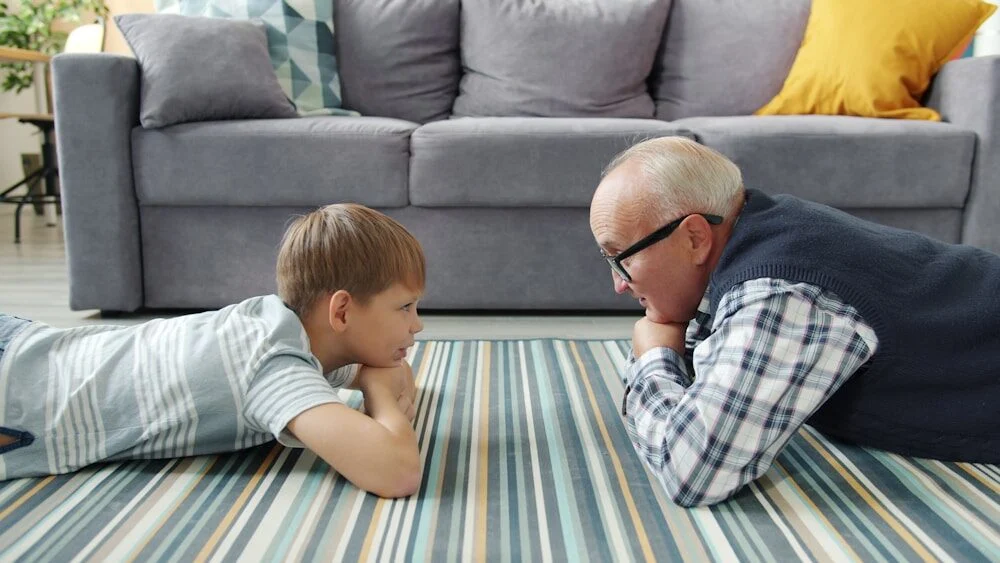
A common misconception that some may believe is that the siblings of children with disabilities want people to feel sorry for them. Most of us don’t. Sure, there are hard days. Sometimes we feel alone, upset, or misunderstood. However, I don’t need someone to look at my family’s situation and say, “Wow, your life must be awful.” What we want is something a lot simpler.
We want to be seen. And that doesn’t have to be some crazy large gesture or charity donation. Ask us how we’re doing. Maybe discuss something unrelated to our siblings. Learn about our interests and hobbies. But also give us space to rant if the topic comes up.
Recognize that we have our own identities, relationships, aspirations, hardships, and plans outside our family. There’s a whole person there with their own unique perspective!
We aren’t asking you to feel guilty; we want you to remember that we’re also here trying to navigate the life that we were given, just like everyone else!
I love my brother so much! More than anything.
Being my brother’s sister has shaped me in many ways, but it does not define my entire identity. There have been complicated and challenging parts of growing up with his disabilities. Still, those tribulations do not diminish the overwhelming joy, love, empathy, and compassion I have for him. Both things can be equally true.
I don’t want my brother’s disability to consume our lives, but I also don’t want a future without him. I want to be there for him, every step of the way. At the same time, I want to continue to pursue my own dreams and have people celebrate my accomplishments, too.
Our siblings deserve extra support, opportunities, accommodations, and unconditional love. And guess what? So do we. We shouldn’t have to choose between loving our siblings and achieving our own goals.
That’s what I want people to understand the most about growing up as a glass child. We aren’t asking anyone to feel guilty about the attention our siblings need. We aren’t asking you to pity us. We want to be known as just another person. A person who loves their sibling deeply while still figuring out other aspects of their life.
I hope to celebrate my brother’s milestones for the rest of his life, while he celebrates mine for the rest of my life. And if we can do that together, then that’s a pretty wonderful life we can share.