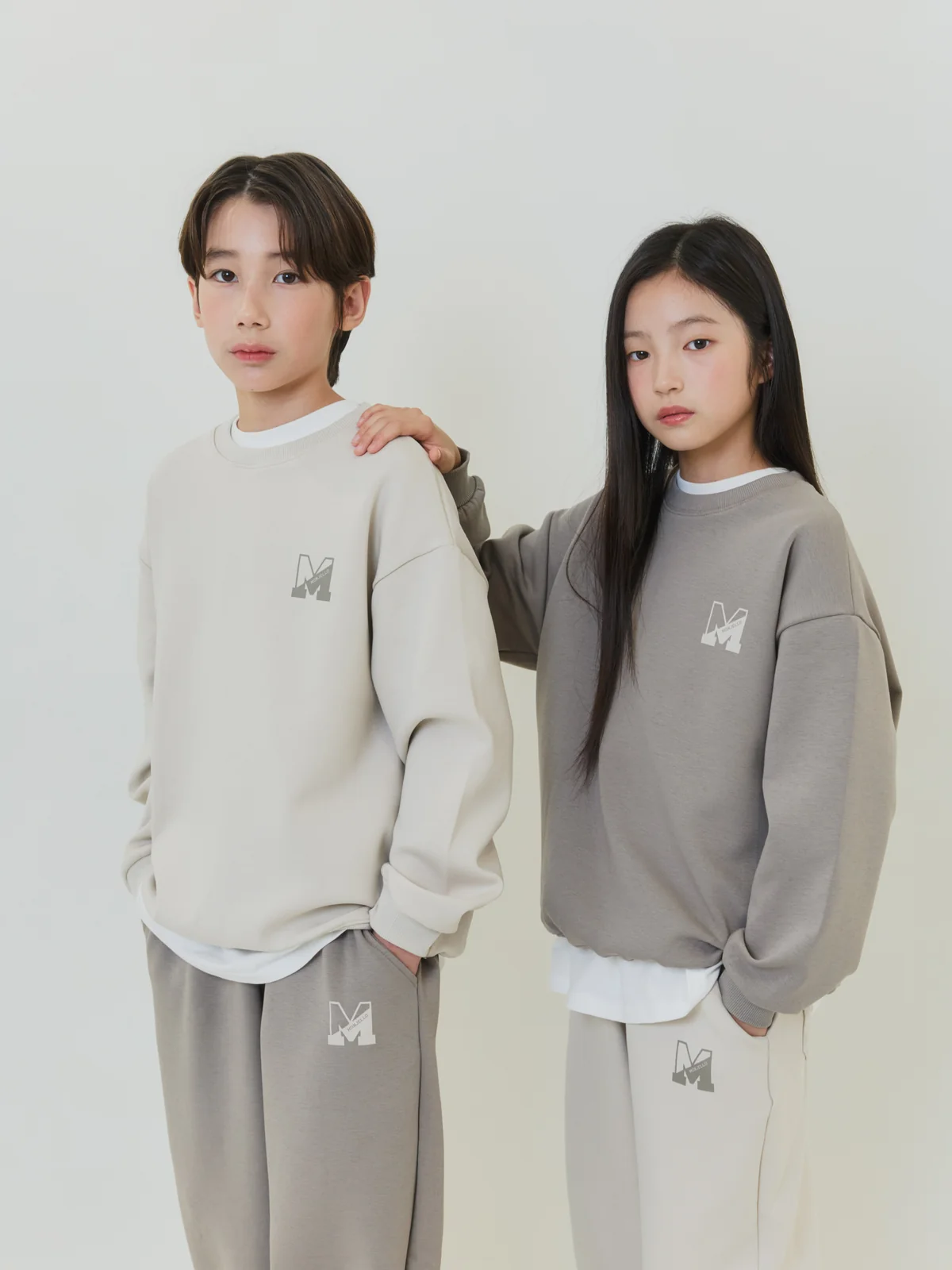
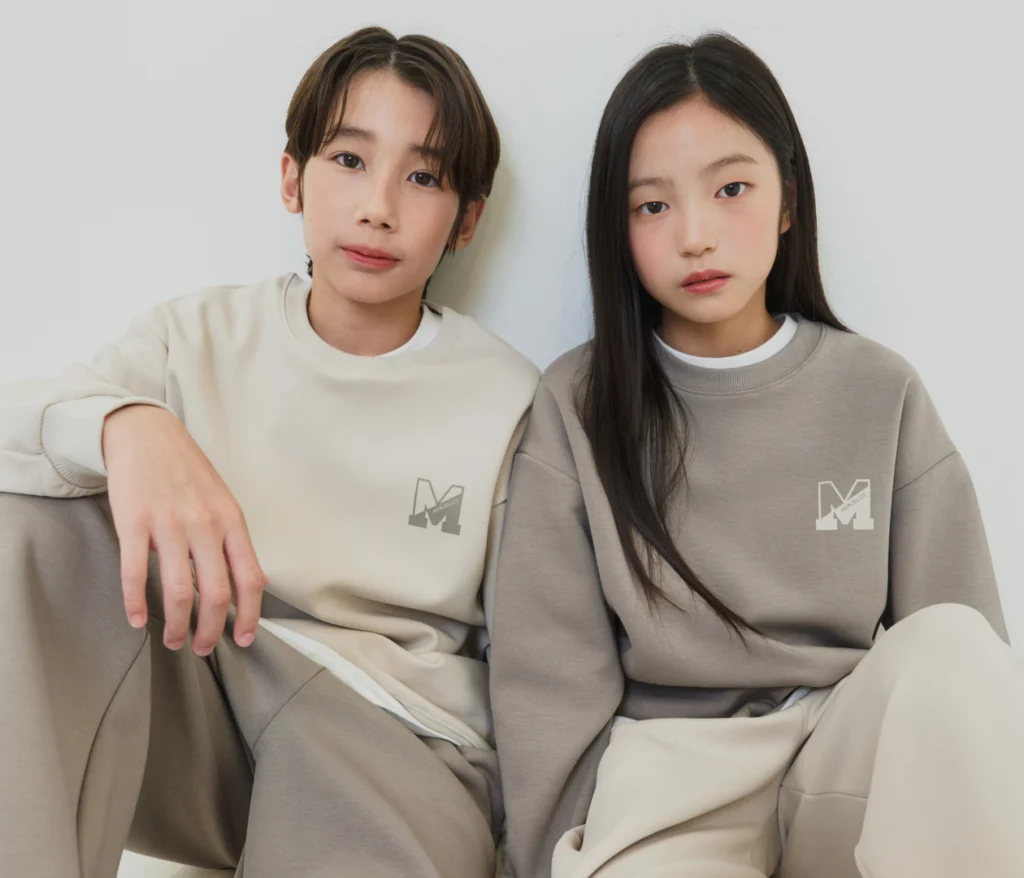
Every so often, Parenthood Together comes across small businesses that are innovative and provide value to parents. One of our members, Erin Lee, just launched her online kids’ clothing shop, aptly named KKidz, which is solely focused on Korean brands made with high-quality materials. Every item is carefully selected and tested, while also being affordable.
As an entrepreneur and a mom, Erin is an inspiration to anyone wanting to start a business, no matter what niche you’re interested in. Here is the story about her journey towards KKidz, how she’s navigating her new role as a business owner, and tips for future self-starters.
PT: Tell us about yourself and who you were before KKidz.
Erin: Hi! I’m Erin, the founder of KKidz, an online children’s boutique based in Princeton, New Jersey, that brings together independent Korean designers and makes their collections accessible to families across the U.S. I’m also the mom of a 10-year-old daughter, who has been a big inspiration behind KKidz.
Before starting KKidz, I spent more than 15 years in marketing, merchandising, and e-commerce, working across a range of consumer businesses, including Amazon, women’s fashion, home, and financial services. I’m a Princeton graduate with a background in architecture and an MBA from Duke.
PT: Is this your first foray into owning a business? What are your future plans for KKidz, and where do you hope to see it going?
Erin: Yes, this is my first time owning my own business, although in retrospect it feels like something I was moving toward for a long time.
I’ve always been a maker and builder of things. I was the child who tried to build my own furniture out of scrap wood. I studied architecture in college, and later became interested in ceramics, which is one of the oldest traditions of making in human history. So it’s probably not surprising that after more than 15 years working in marketing, merchandising, and e-commerce, I started itching to build something of my own.
My career has spanned a wide range of consumer businesses, from financial services and consumables to women’s fashion and home, but the common denominator was working with lifestyle brands and consumers who valued quality and had a point of view. Somewhere along the way, I also developed a personal philosophy about investing in things that genuinely bring joy and enjoyment. Often, the things I value most come back to craftsmanship, design, and the stories behind them. I think all of those influences eventually came together in KKidz.
KKidz is still very new, but there is so much room for it to grow. Korean fashion remains surprisingly underrepresented in the U.S., particularly when you consider how influential Korean beauty, entertainment, food, and culture have become globally. There is an enormous amount of creativity happening in Korean children’s fashion that American parents simply don’t have easy access to.
I discover new designers almost every week that I would love to introduce through KKidz as we grow. Longer term, I would also love to expand beyond clothing into other areas of children’s lives where Korean design has something distinctive to offer. I see KKidz becoming less about simply selling Korean children’s clothing and more about being a trusted place for parents to discover beautifully designed things they wouldn’t otherwise encounter.
PT: What made you want to start a kids’ clothing shop, particularly one that carries Korean-made clothes?
Erin: One thing I noticed very early with my daughter was how instinctively she responded to clothing. She would naturally gravitate toward soft, comfortable, feel-good fabrics, and when she put on a special outfit she loved, she’d start dancing around the room or twirling in front of the mirror.
It sounds superficial until you watch it happen. Clothes, and how we put ourselves together, can really affect our mood and the way we move through the world. I think children experience that too, perhaps even more instinctively than adults do.
I’m Korean American, but the idea for KKidz wasn’t about creating a store specifically for Korean or Asian families. It came from seeing what Korean designers were creating and realizing that so little of it was accessible in the United States.
What struck me was the combination of design and practicality. Korean children’s clothing can be whimsical, fashion-forward, or beautifully understated, but there is often a very practical understanding that children actually have to live in these clothes. A beautiful skirt might have shorts built underneath. A sweatshirt might have an unexpected lace detail. An athletic pant can have a great silhouette but still be comfortable enough to wear all day.
I wanted American parents to be able to discover these brands without having to know where to look in Korea, navigate international websites, or figure out overseas shipping and sizing themselves. KKidz essentially does that discovery and editing for them.
PT: Your selection has a mix of trendy and timeless pieces. How do you decide what goes in your store?
Erin: That product mix is 100% by design because it’s also how I think about my own wardrobe. A good wardrobe needs great staples, but it also needs a healthy mix of pieces that have personality. What you want to wear changes depending on your mood and where you’re going, and I don’t think children’s wardrobes are any different.
Everything selected for KKidz has to have a reason for being on the “shelf.” Sometimes that reason is the design. Sometimes it’s the fabric or construction. Sometimes it’s the person behind the product. For example, if I’m selecting an athletic pant, I love knowing that it isn’t simply a generic pant with a label added to it. The fabric is milled in Korea, the garment is made in Korean factories, and it has been designed, tested, and iterated on by a mother with formal training in product design.
At the other end of the spectrum, if your child loves color, prints, and whimsical design, we have pieces that feel genuinely special but aren’t so precious that they sit untouched in a closet. Some of our most beautifully made clothing can still be worn to school.
That’s an important filter for me. I want KKidz to offer clothes that feel distinctive without making parents feel like their children need a special occasion to wear them.
PT: When visiting Korea, I noticed that the clothes were made with quality materials, even their basic T-shirts! Why do you think Koreans typically care more about longevity than buying fast fashion?
Erin: I’m not sure I would necessarily say that Koreans as a whole care more about longevity than Americans. Korea certainly has fast fashion too, but I do think there is a very strong appreciation for quality, presentation, and detail in Korean consumer culture.
One thing I notice in children’s clothing in particular is that quality isn’t necessarily reserved for the “special” piece. You see it in basics too: the hand-feel of a cotton T-shirt, the weight of a sweatshirt, the finishing of a seam, the elasticity of a waistband, or the way a garment holds its shape.
One of the brands we carry makes a seemingly simple T-shirt with a very particular weight and hand-feel, a small stitched patch and a slightly longer, more relaxed silhouette. None of these details is especially remarkable on its own, but together they create something that looks and feels distinctly different when worn.
The question for me as a merchandiser is whether American consumers will recognize and value those nuances —and whether I can help them see what makes these pieces special.
Korea also has a very sophisticated textile and apparel manufacturing ecosystem. Several of the designers we work with aren’t simply choosing garments out of a catalog and putting their names on them. They are thinking about fabric, construction, proportion, and manufacturing from the beginning.
PT: What is your advice for anyone who wants to start their own business? Did you have a business plan or model going in?
Erin: Have a long runway — and probably a longer one than you think you need. Just because you have a great idea and an amazing product, which you very well might, doesn’t mean customers will immediately discover you. Building awareness and trust takes time.
I actually first thought seriously about this business about five years ago and built out a financial model and business plan then. Our family subsequently relocated to Singapore for several years, so I put the idea on hold. When I returned to the U.S. and picked it back up, that original plan became my blueprint. What surprised me was how much technology had evolved in just a few years, making it possible to launch a business with far less capital and a much shorter timeline.
But I’ve also learned that a model is exactly that: a model. It’s your best guess about a range of possible scenarios. You can have a pretty good understanding of certain costs, but so much of a new business depends on outside factors you may or may not be able to control.
Tariffs are a perfect example. They weren’t part of my original model five years ago. By the time I was preparing to launch KKidz, tariffs and duties had become a major source of uncertainty for an importing business.
I also had no idea exactly who my customer would turn out to be. One of the things that has surprised people is that the vast majority of KKidz customers I’ve acquired aren’t Korean — they aren’t even Asian. That was really interesting to me because it reinforced that the appeal of these brands isn’t dependent on someone’s cultural background. People are responding to the product and design.
So yes, absolutely build a model. It forces you to understand the economics of your business and gives you a framework for making decisions. But don’t spend so much time perfecting the model that you never actually start. You’ll learn things from real customers in a week that you could have spent months trying to predict on a spreadsheet.
I would also say: be honest with yourself, be willing to pivot and learn. KKidz has only been live for about a month, and I am learning and making micro-adjustments almost every day.
And for aspiring entrepreneurs, I genuinely think there has never been a better time to build a business because of AI. There are things I can do myself today that would have required multiple outside specialists or significantly more capital even five years ago. I could not have launched KKidz in the timeframe, or with the level of investment, that I have without the tools available today.
PT: What does your everyday look like as a working mom? Do you set a schedule for yourself or go where the wind takes you?
Erin: Definitely a schedule. Luckily, I’m a pretty disciplined person, because when you work for yourself, there is no one telling you what needs to get done that day, and there is always something that needs to get done.
On both a weekly and daily basis, I write down concrete goals for myself. It gives some structure to a job where I could otherwise spend an entire day moving between marketing, inventory, customer service, analytics, photography, finances, and a hundred small operational things.
Even though I have an office at home, I’ve also learned that I need to spend a good three or four hours a day outside the house when I really need focused work time. There are simply too many distractions at home.
My schedule also revolves around my daughter. I try to get my most focused work done while she’s at school so that I can be present when she’s home, although entrepreneurship doesn’t always cooperate with those boundaries.
PT: How do you balance life as a working mother?
Erin: The balance part is something I’m still working on. The downside of being an entrepreneurial mom is that I could work all the time. There is always another thing I could optimize, another email I could answer, another product I could work on, or another number I could look at.
The last time I binge-watched anything was a few episodes of “Beef” a few weeks ago, and it genuinely felt like a luxury. I have to schedule time to do laundry. And I consciously plan outdoor activities with my daughter because I’ve realized that if we’re at home, it’s far too easy for me to think, “I’ll just log on for five minutes,” and suddenly I’m working again.
At the same time, one of the things I value most about building my own business is that I have more control over how work fits around being a parent. I can be there for the things that matter. The tradeoff is learning when to stop working, which I’m not always very good at yet.
PT: What are some clothing staples from KKidz you would recommend for boys and girls?
Erin: Honestly, I recommend everything! KKidz is deliberately curated, so every brand and every product is on the “shelf” for a reason. I would rather carry fewer things that I really believe in than have an enormous assortment.
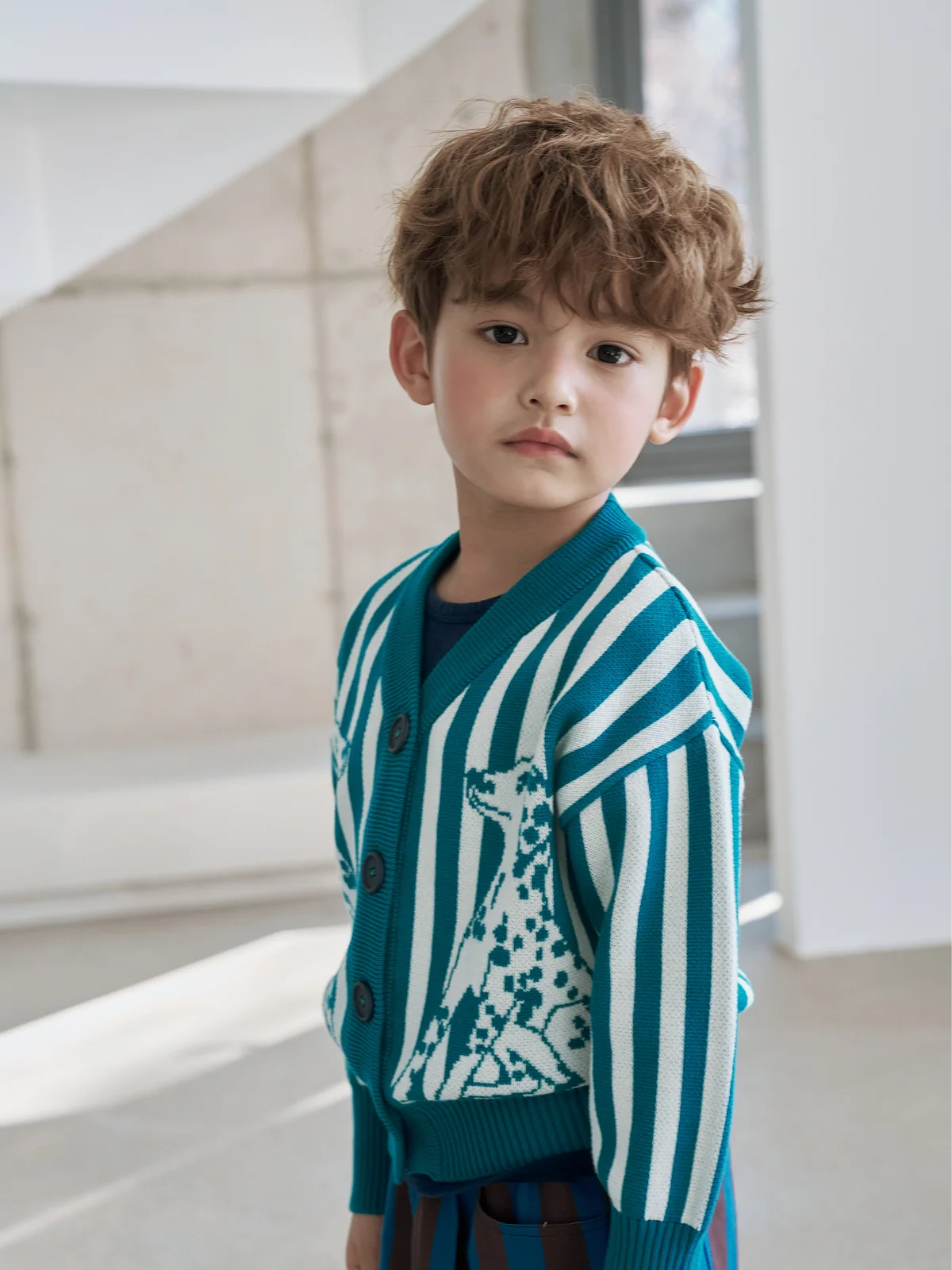
That said, Momohanipopo’s jacquard knitwear is probably one of the best examples of what I wanted KKidz to introduce to American parents. The quality and design are extraordinary for children’s knitwear, and the pieces have so much personality.
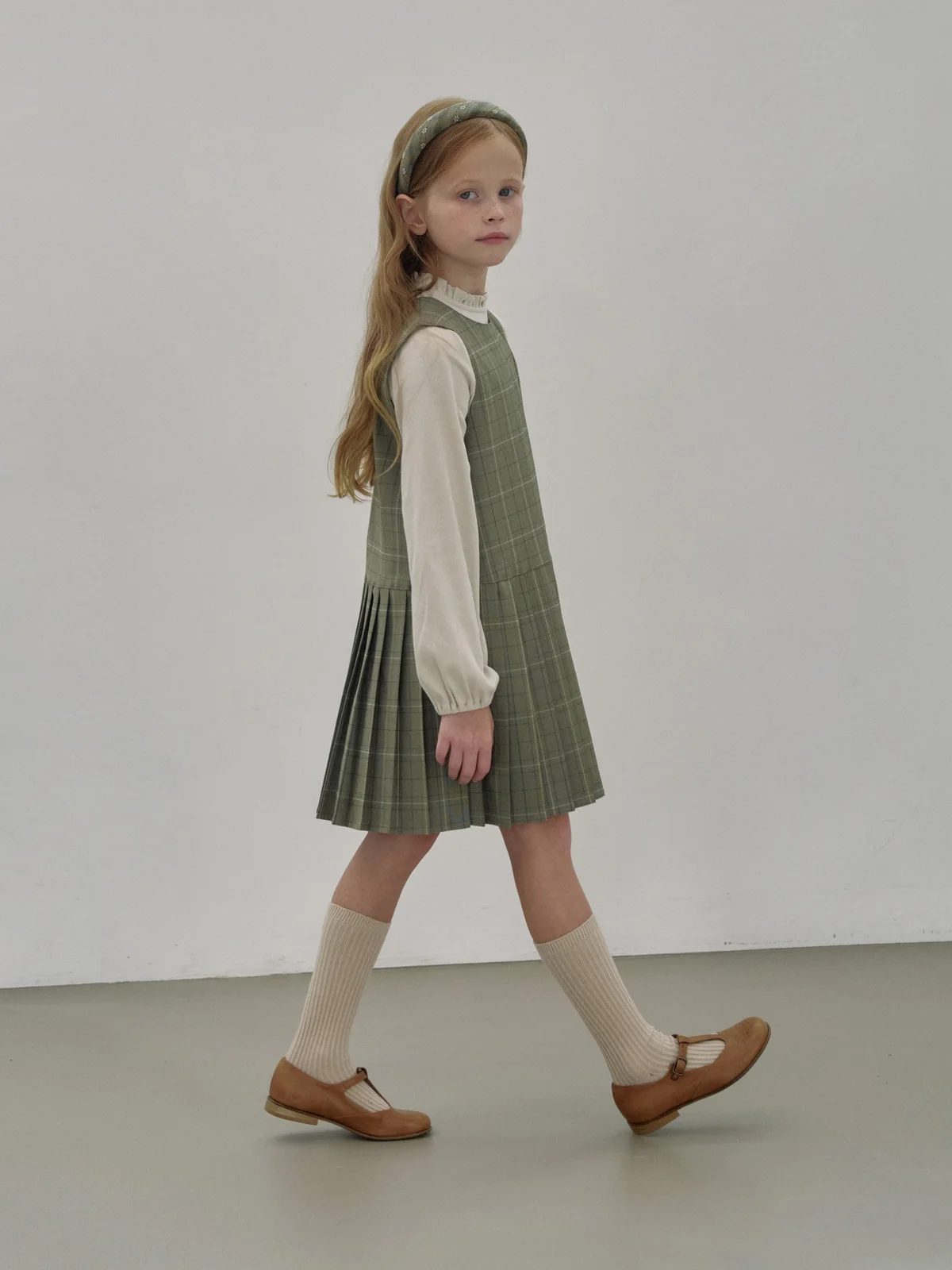
Rosette has also been very popular. The brand has a beautiful European sensibility—soft colors, interesting proportions, and romantic details — but the clothes are still incredibly wearable. I love little practical details like the fact that the skirts have shorts built into them. As a girl mom, that’s exactly the kind of thing I appreciate.
And I hear from a lot of parents of older children that their kids reach an age when they suddenly don’t want graphics or obvious designs on anything. For those kids, I would look at Monjello’s sweatshirts and hoodies and the everi Rory Quarter Zip Sweatshirt. They’re simple and unisex, but the quality, fabrication, and silhouette make them feel different from a basic sweatshirt you could find anywhere.