


If you have a toddler, you know how bedtime can go. One more story, another cup of milk, or just plain interrupting you while you’re trying to watch a “Real Housewives” show can turn into a two-hour ordeal.
Toddlers have a notorious knack for being tired but overstimulated at the same time. That means cranky babies and an even crankier parent. I remember having to lie down with my son until he fell asleep, and that meant losing hours of precious wind-down time for myself. It was still worth it for the extra cuddles and watching him peacefully fall asleep. But looking back, I realize that understanding a few common toddler sleep habits ahead of time would have saved me a lot of frustration.
Take sleep cues from your kid

You may be used to having your child take two naps a day, and that’s perfectly normal when they’re babies. However, KidsHealth states that when they reach the 18-month mark, you can drop their nap to just once per day.
This is the time to observe your kid — if they’re not going down for their 1st or 2nd nap, try an early-afternoon nap to see if they fare better.
Anxiety can be the root cause of sleep issues

Sometimes, kids aren’t trying to be difficult around bedtime on purpose. They may feel anxiety about a number of things, such as separation, fears about monsters, or bad dreams.
At this age, their brains are developing at a rapid rate, which means a super-active imagination. During bedtime, put their fears at ease by doing relaxation techniques such as breathwork, fending off boogeymen with “monster spray,” and leaving on a soothing sound machine.
It’s okay to use nighttime diapers until they’re ready
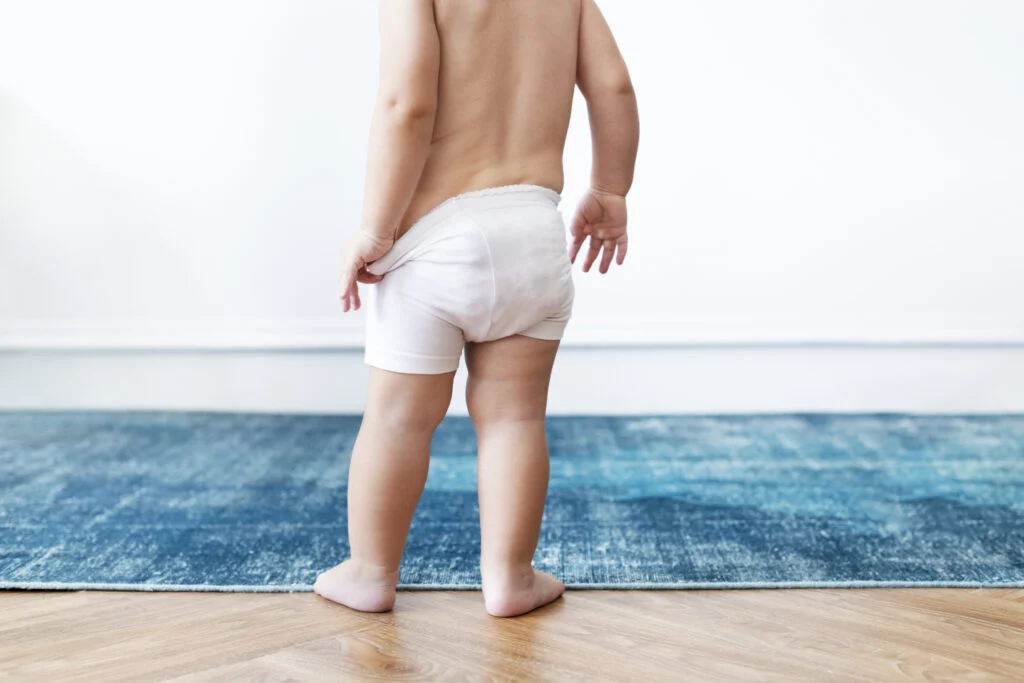
The toddler stage is not just about sleep training, but potty training as well. This means many accidents, especially at night. While you may feel rushed to get your kid out of pull-ups, if they’re frequently waking up with a full diaper, it’s okay to let them go to sleep with one on.
Dr. Phil Boucher says, “Most toddlers who sleep through the night are still in diapers — and that’s completely normal. Nighttime dryness develops MUCH later than daytime potty training. For many kids, staying dry overnight doesn’t happen until ages 3–5 … sometimes even 7. And none of that should stop you from helping your 2-year-old sleep in their own space.”
Your toddler does not need a nighttime feeding
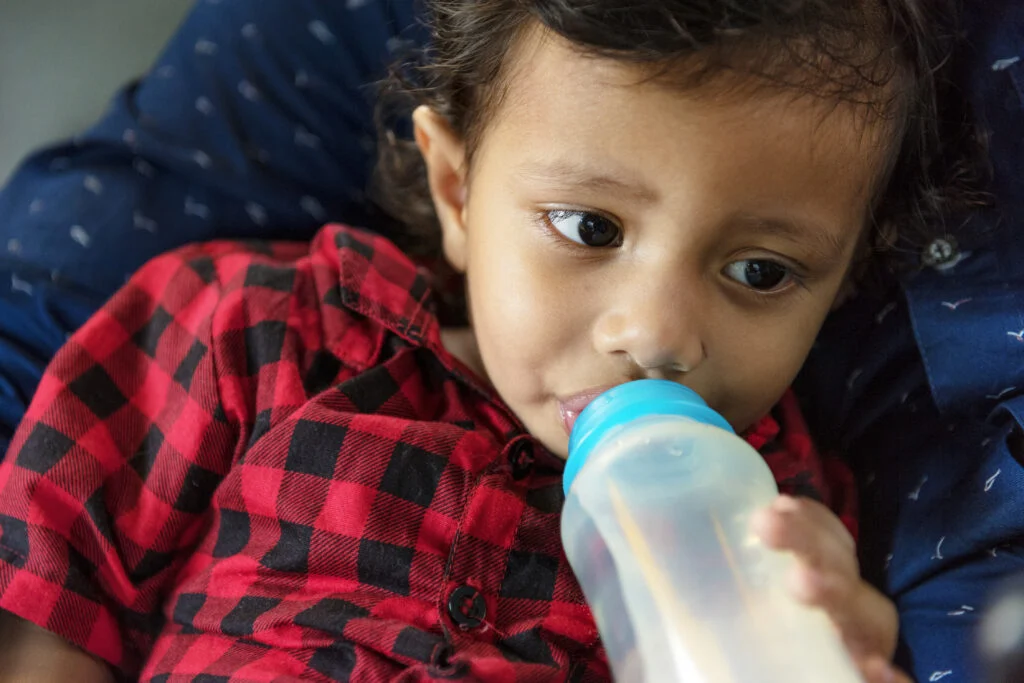
If your kid is around 18 months old and is waking up at night for milk, it’s time to wean them off. Generally speaking, they can sleep through the night without feeding at around 6 months old, according to BabyCenter.
One mom on Reddit claimed, “I night weaned around 18 months,” and she went from waking every 1-2 hours to sleeping through the night within weeks! Still continued to bf until 2 during the day.”
Another stated, “I first stopped feeding right before bed and moved the last feeding before our bedtime started (feed, bath, books). I had my husband take over bedtime, and she HATED that the first few nights, but it was normal after a week. That actually eliminated so many wake-ups alone!”
Sleep training is not one-size-fits-all

Parents of multiple kids know that each one has their own personality and quirks, including their sleep habits. What worked for one may not work for the other when it comes to bedtime. You may have been successful with letting your eldest child self-soothe, but found that your youngest needs to co-sleep.
It’s completely up to you and your partner to decide how to sleep train your kids, but temperament, bedroom arrangements, and schedules can all play a role in what approach feels right. The most important thing is finding a method that works for both your child and your household, rather than feeling pressured to follow a single “correct” way.