


As your kids reach that age where you no longer have to hover over them in fear that they’ll eat something they’re not supposed to or stick their tiny fingers into an outlet, you may find yourself thinking, “Why isn’t parenting getting easier?”
The adolescent phase of their kids is one of the most freeing ages a parent can experience. They’re more independent, can make simple meals on their own, and can walk or bike to school alone. Routines are more set, and they’re able to self-regulate their day-to-day lives — with some guidance, of course.
However, everything feels like more. More responsibilities, more worry, and dealing with bigger emotions. You’re no longer just managing play dates and homework. You’re guiding your kids through navigating friendships, their self-worth, and disappointments, all while helping them reach their dreams. Their worries become your own, and you don’t often realize that you’re carrying double or triple the emotional burden.
You’ve heard the term, “The bigger the kids, the bigger the problems.” Although scraped knees and tantrums are a thing of the past, there’s a shift in the things that you’re concerned about, and the problems may look different, but they carry much more weight.
Why logistics & emotional labor increase with age
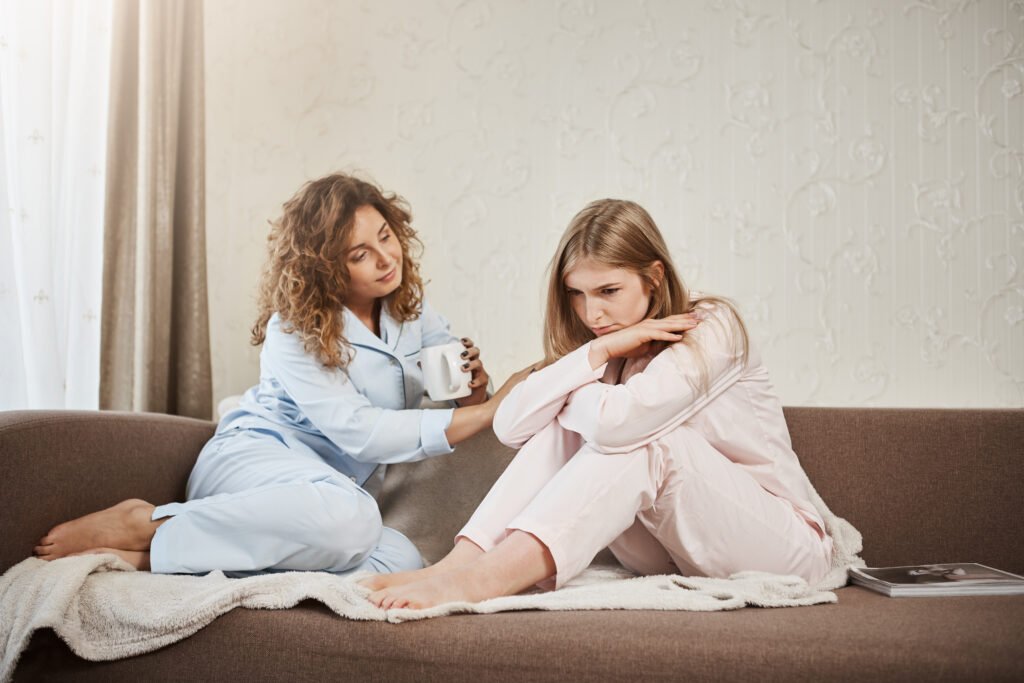
Although raising tweens and teenagers is less physically demanding than wrangling toddlers, the mental and emotional workload becomes heavier as your kids get older.
If you have multiple kids, you’re juggling separate schedules, extracurricular activities, sports, and medical appointments, all while making sure that they’re getting their basic needs met. Just that balancing act is a full-time job on its own.
On top of that is checking in to make sure your kids are emotionally healthy, that they’re not being bullied, their mental health is good, and having tough conversations about life with them.
As reported by Psychology Today, a study conducted at Arizona State University showed that moms of middle school-aged kids felt the least satisfied with parenting. They experienced more stress and isolation during this period, while also feeling frustrated by their kids’ behaviors.
The tween age is especially difficult, as that is when adolescents are learning their identities apart from their parents. Throw in some hormonal changes, and you may wonder where your sweet child has gone.
And remember, you may also be experiencing perimenopause and menopause symptoms, so you’re dealing with your own mood shifts as well.
Older kids may keep you at an arms’ distance and not need as much coddling, but they do require you to show up for them in deeper ways. Feeling stretched doesn’t mean you’re failing, but it’s only a reminder that the emotional challenge is the real evolution of parenting.
How shared parenting experiences matter more as kids get older

Many parents connect with others through pickups, drop-offs, play dates, and birthday parties during the younger years. When children are little, it’s easier to lean on other moms and dads for support. We ask for doctor recs or commiserate over sleepless nights while watching our kids run around the playground.
As kids get older and more independent, we lose the friendships once forged, and these are the years when parenting can feel surprisingly lonely. When kids become tweens and teens, parents find it harder to confide in others about deeper issues, such as puberty, mental health, and the pressures of fitting in. Without other parents to talk to, it’s easy to assume you’re the only one navigating your struggles.
This is why shared parenting experiences matter more during this season. Talking with other parents reminds you that you’re not alone in the confusion, the worry, and the frustration. When someone else admits they’re also dealing with mood swings, slipping grades, or emotional distance, it eases the mental load you didn’t even realize you were carrying. Shared stories normalize your experience and replace self-doubt with understanding.
So how do you find that sense of community? Whether reconnecting with other parents or finding an online parenting group, reach out for help and ask all the questions. You’ll be surprised at how many are willing to share their own experiences raising kids.
They can offer different perspectives and perhaps allow you to see things with fresh eyes. They show you that parenting doesn’t have to be a solo effort, even when it feels deeply isolating at times.
Parenting may not get easier with time, but when it’s shared, it becomes more manageable, more meaningful, and far less lonely.
Be a part of Parenthood Together’s community for relatable stories, advice, and ongoing support by subscribing to our weekly newsletters and joining our Facebook group.

